
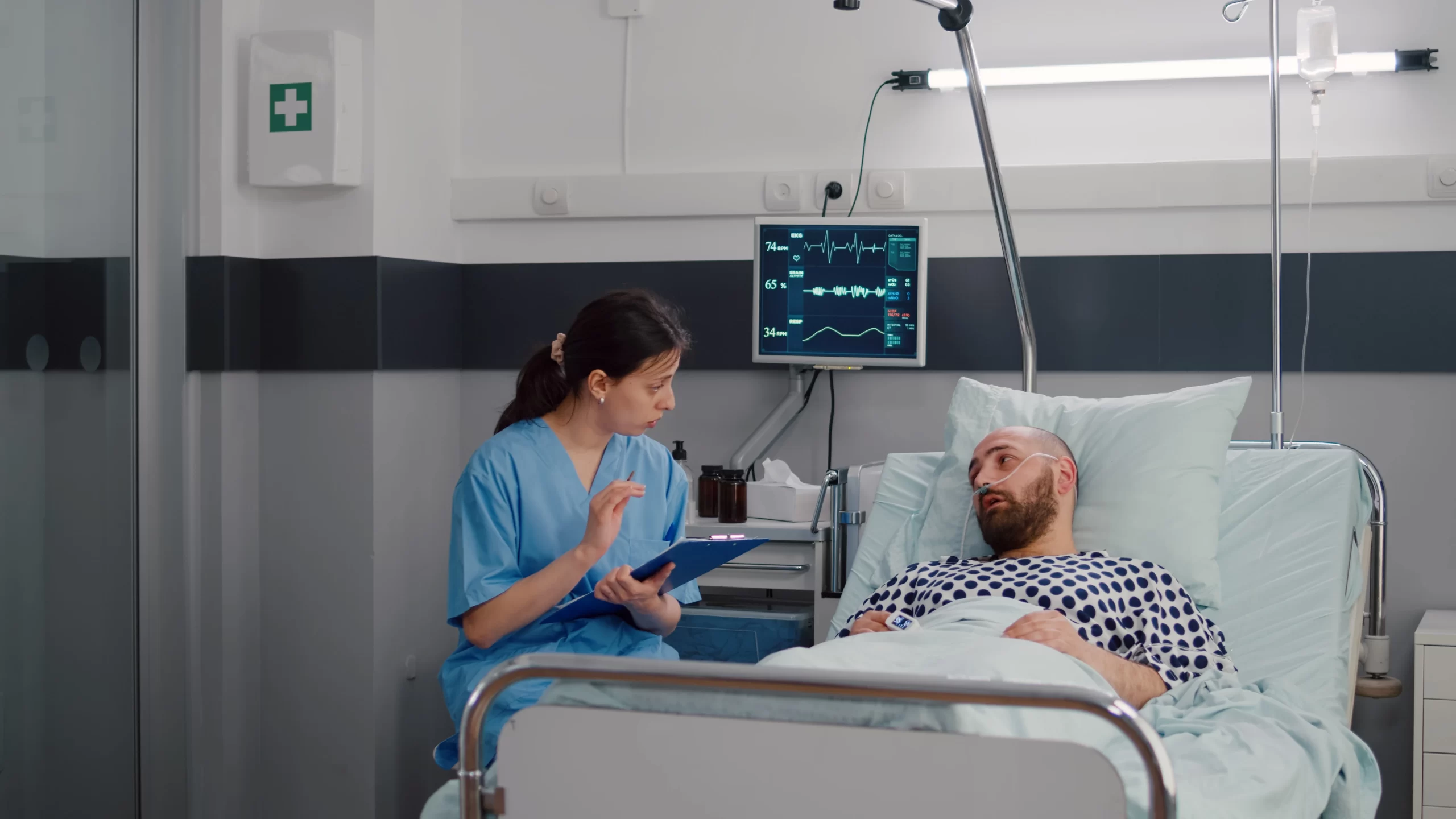
Every second counts when you’re saving lives. Whether you’re managing a busy ICU, operating room, or diagnostic center, equipment failure isn’t just an inconvenience—it’s a crisis that can compromise patient safety and disrupt your entire workflow. At Medion Healthcare, we know that keeping your X-ray systems, anesthesia machines, ventilators, and patient monitors running flawlessly requires more than just quality equipment—it demands a comprehensive approach to training, maintenance, and rapid response.
Prevention is Your Best Protection
The most effective way to handle equipment emergencies is to prevent them from happening. Strategic preventive maintenance doesn’t just extend equipment life—it gives you the confidence that your critical systems will perform when your patients need them most.
X-Ray Systems: Precision Through Consistency
Daily Vigilance: Start each day with image quality verification and cable inspections. Clean your cassettes and check for any visible wear that could compromise diagnostic accuracy.
Weekly Priorities: Test your collimator alignment and safety interlocks. These simple checks prevent the imaging errors that force you to repeat procedures, exposing patients to unnecessary radiation.
Monthly Deep Dives: Calibrate your exposure settings and verify mechanical alignments. This is where small problems are caught before they become major failures.
Critical Insight: Heat buildup in generator units is a leading cause of unexpected shutdowns. Schedule regular internal cleaning to prevent overheating that can sideline your imaging capabilities during peak demand.
Ventilators: Breathing Life Into Reliability
Pre-Shift Essentials: Check humidifier levels, run comprehensive leak tests, and verify all alarm functions. Your ICU patients depend on these systems working perfectly from the moment they’re connected.
Weekly Maintenance: Clean external filters and inspect pressure sensors. Clogged filters can cause inaccurate readings that lead to inappropriate ventilation settings.
Quarterly Reviews: Replace internal components, test battery backup systems, and verify software integrity. Remember, a ventilator failure in the middle of the night requires immediate backup systems.
Pro Strategy: Always maintain a ready backup unit during any maintenance or software updates. Your patients can’t wait for repairs to be completed.
Anesthesia Machines: Operating Room Confidence
Every Case Preparation: Perform leak tests, verify oxygen flush systems, and check vaporizer levels. These steps aren’t just protocol—they’re your patients’ safety net.
Monthly Calibrations: Test flow meter accuracy and inspect scavenging systems. Proper waste gas management protects both patients and staff from harmful exposure.
Annual Overhauls: Complete system recalibration and valve servicing ensure your anesthesia delivery remains precise and predictable.
Documentation Excellence: Digital logging of every pre-use check creates accountability and provides invaluable data for troubleshooting future issues.
Patient Monitors: Your Clinical Intelligence System
Continuous Monitoring: Verify alarm thresholds, test sensor accuracy, and ensure seamless data transmission to your EMR systems.
Regular Calibrations: Patient safety depends on accurate readings. Regular calibration prevents the false alarms that can desensitize staff and the missed alerts that can be catastrophic.
When Things Go Wrong: Smart Troubleshooting Saves Time and Lives
Even with perfect maintenance, equipment issues can arise. Your response time and approach determine whether it’s a minor disruption or a major crisis.
Your Four-Step Emergency Protocol
Step 1: Rapid Assessment – Identify symptoms quickly. Is it displaying error codes? Are alarms functioning? What changed since the last successful operation?
Step 2: Systematic Isolation – Check power connections, verify input sources, and test basic functions. Often, simple connectivity issues masquerade as major equipment failures.
Step 3: Leverage Technology – Modern Medion equipment maintains detailed error logs. Use this data to identify patterns and pinpoint problems faster than traditional guessing methods.
Step 4: Escalate Intelligently – Know when to call for help. Your biomedical team can handle routine issues, but complex problems require immediate OEM support.
Red Flags That Demand Immediate Attention
X-Ray Warning Signs: Blurred images, exposure delays, or system lockups often indicate power instability or mechanical misalignment requiring immediate professional attention.
Ventilator Alerts: Unexpected disconnections, inaccurate volume delivery, or alarm failures can signal sensor problems or software corruption that compromise patient safety.
Anesthesia Concerns: Flow inconsistencies or vaporizer leaks typically indicate sealing problems or operator error during refills—both requiring immediate resolution.
Patient Monitor Issues: Inconsistent readings, connectivity problems, or display malfunctions can mask critical patient changes.
Empowering Your Team: Training That Makes the Difference
Your equipment is only as reliable as the people operating it. Comprehensive training transforms your staff from equipment users into equipment partners who can maximize performance and minimize problems.
Building Expertise Across Your Team
Advanced Feature Mastery: Ensure your staff understands all capabilities, not just basic operations. Hidden features often provide solutions during critical moments.
Emergency Preparedness: Train every team member on manual overrides, backup procedures, and escalation protocols. When equipment fails, trained responses save precious time.
Software Proficiency: Modern medical equipment includes sophisticated software systems. Regular training ensures your team can leverage these tools effectively and troubleshoot common issues independently.
Creating a Culture of Equipment Excellence
Designate Equipment Champions: Identify staff members who show aptitude and interest in equipment mastery. These super-users become your first line of defense and training resources for new team members.
Implement Continuous Learning: Regular workshops, e-learning modules, and hands-on training sessions keep skills sharp and knowledge current.
Encourage Proactive Communication: Create systems where staff feel comfortable reporting minor issues before they become major problems.
Your Partner in Uninterrupted Care
At Medion Healthcare, we understand that equipment reliability directly impacts patient outcomes. That’s why we provide more than just industry-leading X-ray systems, anesthesia machines, ventilators, and patient monitors—we deliver comprehensive support systems designed to keep your critical equipment running when your patients need it most.
Our commitment extends beyond the sale to include ongoing training, preventive maintenance guidance, and rapid response support that ensures your investment continues delivering value year after year.
When equipment failure isn’t an option, choose Medion Healthcare. Contact us today to learn how our comprehensive approach to equipment reliability can enhance your patient care capabilities.